.png)


Gut Microbiome Nutrition Course: A Professional Guide to Practitioner Certification in 2026

Did you know that nearly 40% of adults across 33 countries now suffer from a functional gastrointestinal disorder? If you're a health professional, you've likely noticed this surge in your own clinic. Clients are moving away from generic wellness advice and seeking specific answers about their internal ecology. However, trying to find a high-quality gut microbiome nutrition course often leads to a wall of complex data that feels impossible to translate into a Tuesday morning consultation.
We understand that the fear of practising outside your scope or getting lost in microbial science is a real barrier to professional growth. This guide focuses on how to select a microbiome qualification that bridges the gap between complex science and professional clinical practice. We'll examine the requirements for a recognised Level 5 qualification, explain how to interpret microbiome data for client protocols, and ensure you feel confident applying the latest research on the gut-brain axis and dysbiosis.
Table of Contents
Why a Gut Microbiome Nutrition Course is Essential for Modern Practitioners
Core Curriculum: What to Expect from an Advanced Microbiome Programme
Choosing the Right Qualification: Academic vs Practitioner-Led Training
Integrating Microbiome Science into Professional Client Consultations
The Level 5 Certificate in Gut Microbiome and Nutrition at AHG
Why a Gut Microbiome Nutrition Course is Essential for Modern Practitioners
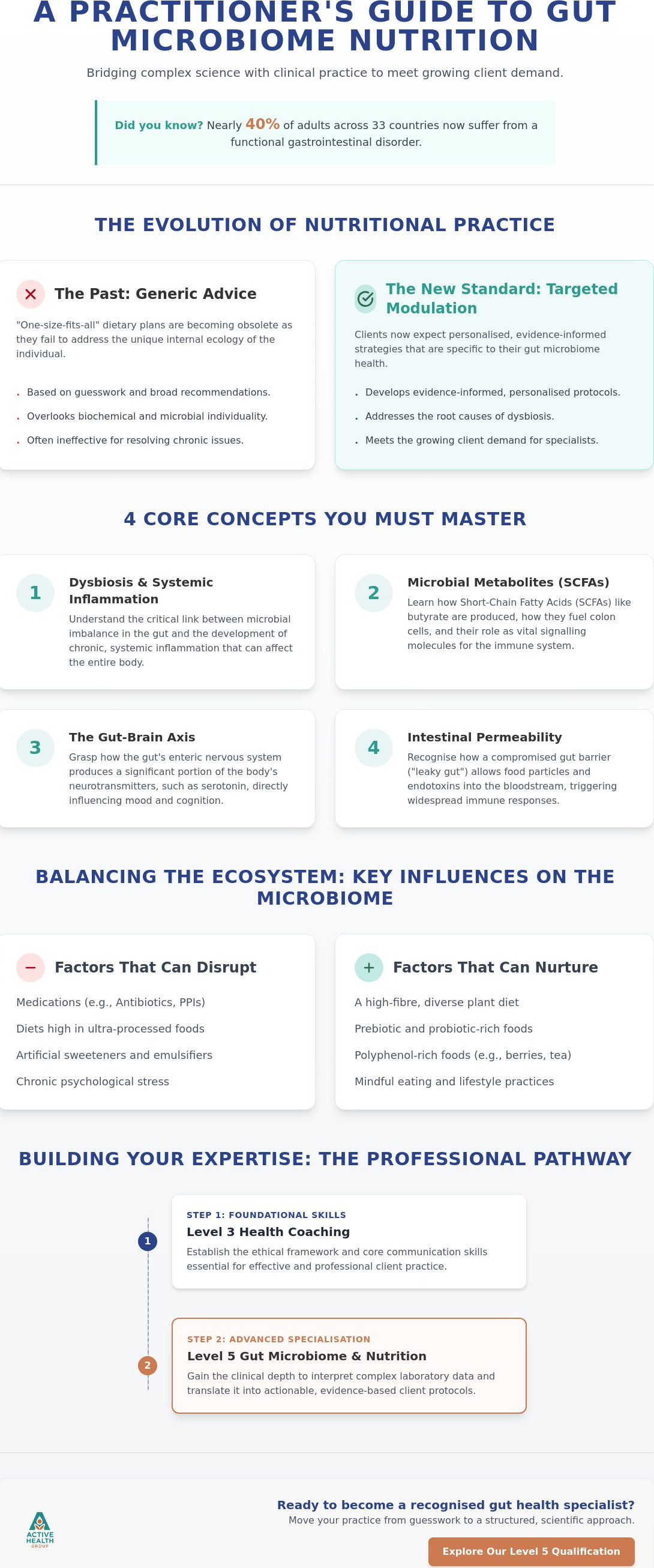
By 2026, the human gut microbiota has moved from the fringes of health research to the very centre of integrative clinical practice. We've reached a point where practitioners can no longer ignore the complex interplay between microbes and host physiology. The shift is clear: general nutrition advice is being replaced by targeted microbial modulation. This evolution reflects a deeper understanding that what works for one person's digestion might be entirely ineffective, or even detrimental, for another. Individual biochemical diversity is the new standard for care.
Generic "one-size-fits-all" dietary plans are becoming obsolete. Clients now expect a level of personalisation that was previously reserved for high-end clinical settings. They're looking for specialists who can help them navigate the noise of wellness blogs and provide evidence-informed strategies. Enrolling in a professional gut microbiome nutrition course is the most direct way to gain the clinical depth required to meet this demand. It moves your practice away from guesswork and towards a structured, scientific approach to client care.
The Rise of the Gut Health Specialist in the UK
The UK wellness sector is experiencing a period of intense professionalisation. As health coaching grows, the market is becoming more crowded, making specialisation a necessity rather than an option. Becoming a recognised gut health specialist allows you to carve out a niche and demonstrate a commitment to high standards. Most successful practitioners find that starting with a Level 3 health coaching foundation is the essential first step. It provides the ethical framework and communication skills needed before layering on the complex science of a gut microbiome nutrition course.
Beyond Probiotics: The Need for Clinical Depth
There's a common misconception amongst the public that gut health is simply a matter of taking a daily probiotic. As a professional, you know that the reality is far more nuanced. You must understand the role of microbial metabolites, particularly Short-Chain Fatty Acids (SCFAs), which act as vital signalling molecules for the immune and metabolic systems. Truly effective protocols require a deep grasp of the gut-brain-immune axis. Without this clinical depth, you're merely scratching the surface. A practitioner-led course ensures you can interpret complex data and turn it into actionable, sustainable dietary behaviour changes for your clients.
Core Curriculum: What to Expect from an Advanced Microbiome Programme
A robust gut microbiome nutrition course should move beyond simple "good" and "bad" bacteria classifications. It must explore the intricate relationship between microbial diversity and host physiology. When this diversity is compromised, a state of dysbiosis occurs, which research increasingly links to systemic inflammation and chronic health conditions. Understanding these mechanisms allows practitioners to move from generic advice to precision-based interventions that actually respect the individual's unique biological makeup.
Understanding Microbial Metabolites and Pathways
Short-Chain Fatty Acids (SCFAs), such as butyrate, act as the primary energy source for colonocytes and are critical for maintaining a healthy colonic barrier. Beyond physical structure, the enteric nervous system is a chemical powerhouse. It produces a significant portion of the body's neurotransmitters, including serotonin, which directly influences mood and cognitive function. When the intestinal lining becomes compromised, a process often termed intestinal permeability or "leaky gut" occurs. This allows undigested food particles and endotoxins to enter the bloodstream, triggering a cascade of immune responses that can manifest as fatigue, brain fog, or joint pain.
The Impact of Life Stages and Environmental Factors
The human microbiome is not static; it evolves significantly from the moment of birth through to older age. Factors such as delivery method and early-life nutrition set the foundation for long-term health. However, environmental stressors in adulthood can rapidly alter this landscape. Medications, particularly antibiotics and Proton Pump Inhibitors (PPIs), can drastically reduce microbial richness. Similarly, a diet high in ultra-processed foods, often containing emulsifiers and artificial sweeteners, can disrupt the delicate balance of the gut, whereas a fibre-rich, diverse diet provides the necessary substrates for beneficial microbes to thrive.
A comprehensive programme also integrates lifestyle factors like sleep hygiene, stress management, and physical movement. These elements are not secondary; they are fundamental to microbial health. For those seeking practitioner-led training, it's vital to choose a curriculum that connects these dots. If you're ready to deepen your clinical expertise, exploring the Level 5 Certificate in Gut Microbiome and Nutrition can provide the structured framework you need to support clients effectively.
Choosing the Right Qualification: Academic vs Practitioner-Led Training
Selecting the right qualification is a pivotal moment in your professional development. You'll likely encounter two main paths: university-led MOOCs (Massive Open Online Courses) or accredited vocational diplomas. While academic courses often excel at presenting the broad theoretical findings of the Human Microbiome Project, they frequently lack the clinical application required in a private practice. Practitioner-led instruction addresses this specific need. When your tutors are actively working with clients, they provide insights that textbooks simply cannot offer. They understand the nuances of client compliance, the reality of long-term dietary changes, and the practical challenges of translating microbial data into a workable protocol.
The Importance of Accreditation and Professional Standards
In the UK educational framework, a Level 5 qualification represents a high standard of academic and professional rigour. It sits above introductory certificates, ensuring you have the depth of knowledge to practice safely and ethically. Accreditation from recognised bodies provides a layer of protection for both the practitioner and the client. It ensures the curriculum is evidence-informed and meets the standards required for professional indemnity insurance. For those seeking the highest level of expertise, this qualification serves as a vital prerequisite for moving toward Level 6 clinical nutrition training, which focuses on advanced clinical practice and complex health cases.
Evaluating Support Systems and Learning Formats
Mastering microbiome science requires a learning format that mirrors the complexity of the subject. Blended learning models, which combine self-paced digital modules with live interactive sessions, are far superior for long-term retention. You shouldn't feel like an anonymous student in a massive digital classroom. Look for providers that offer lifelong learning opportunities and active alumni networks. These systems ensure that as the science of the microbiome evolves, your knowledge doesn't become stagnant. A professional community provides the ongoing support and peer review necessary for a successful, long-term career in health and wellbeing.
Integrating Microbiome Science into Professional Client Consultations
Mastering the science is only half the battle. The true test of a practitioner lies in the consultation room, where theory meets the reality of human behaviour. Ethical boundaries are the foundation of a professional practice. In the UK, unless you are a registered dietitian or medical doctor, you must ensure your advice remains within the scope of health coaching and nutritional support. This means focusing on health optimisation and lifestyle transformation rather than claiming to treat or diagnose clinical disease. A professional gut microbiome nutrition course provides the framework to navigate these boundaries with confidence.
Conducting a comprehensive health history requires looking beyond simple symptoms. You should focus on specific digestive markers, such as stool consistency, frequency, and the presence of bloating or discomfort. Tracking these markers over time allows you to see how microbial interventions are influencing host physiology. One of the biggest challenges practitioners face is staying current with research that evolves almost weekly. Instead of trying to read every new paper, focus on developing critical appraisal skills. This allows you to distinguish between robust clinical trials and over-hyped preliminary animal studies.
Translating Science into Sustainable Behaviour Change
Knowledge alone is rarely enough to change a client's life. This is where health coaching skills become vital. For instance, shifting a client toward a high-fibre, plant-diverse diet must be done gradually to avoid temporary digestive distress. If a client experiences discomfort because they've increased their fibre intake too quickly, they're likely to abandon the protocol entirely. You must also consider the wider context of their health. Gut issues frequently co-occur with chronic stress, making burnout and fatigue clinical training an excellent companion to microbiome studies for those working with complex, modern health presentations.
Collaborative Care and Professional Referrals
A professional practitioner knows when to step back. You must be able to identify "red flag" symptoms, such as unexplained weight loss, persistent blood in the stool, or sudden changes in bowel habits. These require immediate referral to a GP or gastroenterologist. Working alongside other healthcare professionals in an integrative model is the gold standard for 2026. Maintaining meticulous clinical records and adhering to ethical standards ensures that your practice remains transparent and professional. This collaborative approach not only protects the client but also builds your reputation as a trusted specialist within the wider health community.
If you are ready to master these clinical applications, the Level 5 Certificate in Gut Microbiome and Nutrition offers the specific training needed for professional practice.
The Level 5 Certificate in Gut Microbiome and Nutrition at AHG
Active Health Group (AHG) provides a pathway for health professionals who want to move beyond superficial wellness trends. Our approach is grounded in evidence-informed practice and designed specifically for real-world readiness. As a not-for-profit organisation, our mission is to elevate the standards of the health coaching profession in the UK. This gut microbiome nutrition course isn't just a collection of lectures; it's a rigorous professional development programme that prepares you to handle the complexities of modern clinical practice. We focus on the weight of professional responsibility, ensuring you graduate with the confidence to support clients through meaningful, sustainable change.
The Level 5 Gut Microbiome and Nutrition programme offers several distinct advantages for the serious practitioner:
Flexible Learning: Designed for busy professionals, the course uses a blended learning model that fits around your existing practice or commitments.
Clinical Rigour: The curriculum bridges the gap between laboratory science and practical dietary advice, focusing on microbial metabolites and host physiology.
Professional Recognition: Achieve a Level 5 qualification that is recognised within the UK educational framework, providing the credibility you need to stand out.
Ethical Framework: We place a heavy emphasis on scope of practice and professional boundaries, protecting both you and your clients.
Practitioner-Led Mentorship and Tutor Support
One of the defining features of AHG is our commitment to mentorship. Our tutors aren't just academics; they're experienced professionals who have spent years in clinical practice. With a 25-year history of producing successful UK wellness practitioners, we understand the specific challenges you'll face. Tutors guide you through complex clinical reasoning, helping you turn data into actionable client protocols. Students also gain access to the AHG Academy, a dedicated hub of practitioner resources, research updates, and clinical tools that support your learning long after you've completed your initial studies.
Next Steps: Embarking on Your Professional Specialism
If you're ready to specialise in this vital area of health, the next step is to download our course prospectus or begin the enrolment process. For those who want to build an even broader professional base, we recommend considering the Level 5 Health Coaching diploma. This provides the foundational behaviour change skills that make your nutritional expertise even more effective. Investing in high-quality, ethical education is the most reliable way to ensure long-term professional success and make a genuine impact on the health of your community.
Advancing Your Clinical Practice in 2026
The transition from general nutrition advice to precision-based microbial modulation is no longer a future prediction; it's the current standard for professional excellence. By choosing a high-quality gut microbiome nutrition course, you're doing more than just acquiring a credential. You're developing the clinical depth required to interpret complex data and translate it into sustainable behaviour change for your clients. This specialism allows you to practice with confidence, knowing you're operating at the forefront of integrative health whilst maintaining the highest ethical standards.
Active Health Group brings over 25 years of experience in practitioner training to this programme. As a not-for-profit organisation, our focus remains firmly on professional integrity and real-world readiness. You'll benefit from practitioner-led instruction and dedicated tutor support, ensuring you're never left to navigate complex science alone. If you're ready to elevate your professional standing and provide the targeted support your clients are seeking, we invite you to view the Level 5 Certificate in Gut Microbiome and Nutrition programme. We look forward to supporting your professional development as you master this vital area of modern clinical nutrition.
Frequently Asked Questions
What is a gut microbiome nutrition course and who is it for?
A gut microbiome nutrition course is a specialist programme designed for health professionals who want to understand the clinical application of microbial science. It's primarily for health coaches, nutritional therapists, and wellness practitioners who wish to move beyond generic advice. By focusing on how the microbiome influences systemic health, this training enables you to provide targeted, evidence-informed dietary recommendations that respect a client's unique biochemical individuality.
Can I become a gut health practitioner without a prior degree?
You can become a specialist in this field without a university degree, provided you hold a recognised foundational qualification. Most practitioners start with a Level 3 health coaching certificate to establish their ethical boundaries and communication skills. Following this with a Level 5 qualification ensures you have the clinical depth required to work safely. This pathway focuses on real-world readiness and practitioner competency rather than purely academic theory.
How long does it take to complete a Level 5 microbiome qualification?
Completion times typically range from six to twelve months, depending on your prior experience and study pace. The curriculum is structured to accommodate busy professionals, allowing you to balance your studies with an existing practice. This timeframe ensures you have sufficient time to master complex topics like the gut-brain axis and microbial metabolites without feeling rushed through the essential scientific concepts.
Is the gut microbiome course accredited in the UK?
Yes, professional courses in the UK are accredited at Level 5 to ensure they meet rigorous educational and ethical standards. This accreditation is vital for securing professional indemnity insurance and demonstrating your credibility to clients. At Active Health Group, our training is designed to meet these high benchmarks, reflecting our 25 years of experience in producing successful, evidence-informed wellness practitioners.
What can a certified gut health specialist legally advise on?
A certified specialist can legally advise on dietary choices, lifestyle transformations, and nutritional supplements that support microbial diversity and digestive function. It's essential to remember that you aren't a doctor or dietitian. Your role is to optimise health and wellbeing through lifestyle modulation. You must always refer clients to a GP if you identify "red flag" symptoms or suspect a clinical condition that requires medical diagnosis.
Does this course cover stool testing and data interpretation?
Yes, a high-quality gut microbiome nutrition course includes training on how to interpret various stool markers and microbial data. Understanding these reports allows you to move away from guesswork and create highly personalised protocols for your clients. You'll learn how to identify patterns of dysbiosis and use that information to suggest specific dietary shifts that support a more balanced and resilient internal ecosystem.
Will I get tutor support during my online studies?
You'll receive dedicated tutor support throughout your studies at AHG, including live interactive sessions. We don't believe in "watch and forget" learning models. Instead, our practitioner-led mentors guide you through complex clinical reasoning and answer your specific questions. This level of support is vital for mastering the intricate science of the microbiome and ensuring you feel confident applying it in your professional consultations.
How does this course differ from a general nutrition diploma?
While a general nutrition diploma provides a broad overview of macro and micronutrients, this course is a specialist deep-dive into the microbial world. It focuses specifically on the interaction between the host and their internal ecology, covering metabolic pathways and the immune system. It's designed as an advanced specialism for practitioners who want to offer a higher level of clinical depth in their practice.


I like the short challenge format of Drive Mad. It doesn't take long to understand the controls, while the obstacle layouts still keep things interesting.